


the best prescription for heart health
protect your heart for a lifetime.
tomorrow’s complications.
support, and everyday healthy choices
Quick Facts
- A commitment to healthy daily habits is your most effective and enduring defense against cardiovascular disease.
- You can take active control of your health by staying physically active, prioritizing nutritious meals, and ensuring you get restorative sleep.
- A proactive partnership with your healthcare provider is essential for monitoring and maintaining healthy blood pressure, cholesterol, and blood sugar levels.

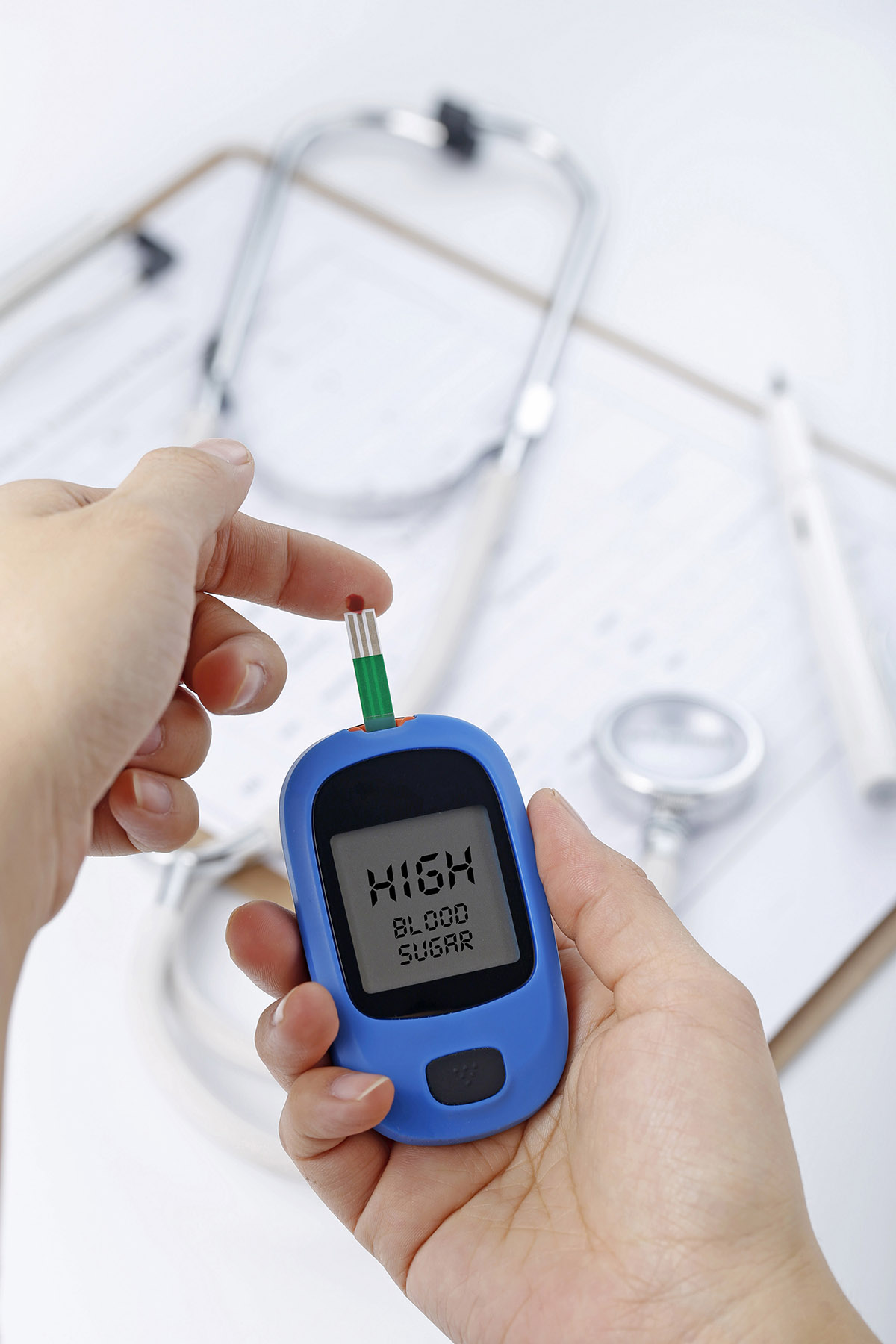
Managing diabetes is the first step toward lifelong health
Shield Your Heart: High glucose often invites hypertension and plaque. Guard your arteries by managing blood pressure, balancing cholesterol, and staying consistent with prescribed medications to prevent strokes or heart attacks.
Proactive Vigilance: Stay ahead of the curve with regular screenings. Monitoring your vision, foot health, and cholesterol ensures you catch complications like peripheral vascular disease before they take hold.
Diet and Excercise: Healthy diet, Brisk walking or any physical activity. Losing just 5% of your body weight acts as a metabolic reset, drastically improving circulation to your limbs and brain.
Medication Adherence: Consistently taking prescribed medication to prevent complications.
Vaccination: A simple step that can save a life
Vaccination is one of the safest and most effective ways to protect yourself and others from serious infectious diseases. With illnesses such as measles and mumps re-emerging in the US, staying up to date with recommended vaccines is more important than ever.
Protects against serious disease: Prevents infections that can lead to severe complications or death.
Prevents outbreaks: Vaccines like MMR help stop the return of diseases such as measles and mumps.
Essential adult vaccines: Influenza (Flu), Shingles (Zoster), Pneumococcal, MMR/Varicella, and Hepatitis B.
Mental health is not just the absence of illness
it’s the foundation of overall well-being
- Addressing Acute Distress: Hospitalists must identify and manage the high rates of anxiety and clinical depression that often accompany sudden hospitalization, ensuring these conditions don’t hinder a patient’s participation in their own recovery.
- The Cognitive Divide: A key responsibility is distinguishing between delirium—a sudden, often reversible state of confusion triggered by illness—and dementia, a progressive decline; this ensures proper environment-based care and avoids the risks of over-sedation.
- Mitigating Hospital-Induced Stress: Through “sleep hygiene” protocols and minimizing nighttime disruptions, hospitalists work to prevent ICU psychosis and other hospital-acquired mental health stressors that can lead to permanent cognitive impairment.
- Integrated Discharge Planning: Effective care extends beyond the hospital walls by coordinating with psychiatrists and social workers to ensure a seamless transition, preventing the “revolving door” effect caused by unaddressed mental health needs.